WPC Wall Cladding: The Smart Material Redefining Modern
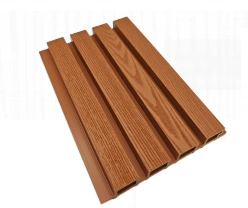
WPC wall cladding is transforming building exteriors by merging wood’s natural beauty with plastic’s durability. This article explores its innovative composition, performance advantages, and diverse applications, revealing why it’s the future of sustainable, low-maintenance facades.
category
- 1. The Material Revolution: Why WPC Wall Cladding?
- 1.1 Beyond Traditional Materials: A Fusion of Nature and Innovation
- 1.2 Performance Metrics: How WPC Defies Nature’s Challenges
- 2. Composition Breakdown: The Science Behind the Beauty
- 2.1 Core Components
- 2.2 Manufacturing Process: Precision Engineering
- 3. Installation: Simplicity Meets Precision
- 3.1 Surface Preparation
- 3.2 Maintenance: Zero Effort, Maximum Beauty
- 4. Applications: Where WPC Shines
- 4.1 Residential Exteriors
- 4.2 Commercial & Hospitality Projects
- 4.3 Urban & Marine Environments
- 5. The Future: Where WPC Technology Is Headed
- 5.1 Bio-Based Polymers
- 5.2 AI-Enhanced Composites
- 5.3 Self-Repairing Materials
1. The Material Revolution: Why WPC Wall Cladding?
1.1 Beyond Traditional Materials: A Fusion of Nature and Innovation
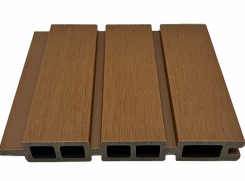
WPC (Wood Plastic Composite) wall cladding isn’t just a blend—it’s a scientific breakthrough. By combining reclaimed wood fibers with thermoplastic polymers (like HDPE or PVC), it achieves:
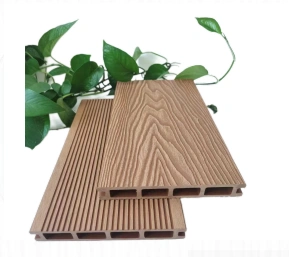
- Natural Aesthetics: Mimics real wood grain, stone, or contemporary patterns without deforestation.
- Engineered Durability: Resists moisture, UV degradation, and temperature extremes, outperforming traditional wood or vinyl siding.
- Sustainability: Uses recycled materials, reducing waste and carbon footprint.
Innovation Spotlight: Advanced additives like UV stabilizers and anti-fungal agents ensure color retention and longevity, even in harsh climates.
1.2 Performance Metrics: How WPC Defies Nature’s Challenges
Why It Matters: WPC’s low thermal expansion eliminates unsightly gaps, while its UV resistance ensures vibrant colors in sunny regions.
2. Composition Breakdown: The Science Behind the Beauty
2.1 Core Components
- Wood Fibers: Sourced from sawmill waste or bamboo, providing rigidity and texture.
- Thermoplastic Matrix: Acts as a moisture-resistant binder, preventing rot and insect damage.
- Additives:
- UV stabilizers: Protect against color fading.
- Anti-fungal agents: Inhibit mold growth.
- Impact modifiers: Enhance durability against physical stress.
Pro Tip: Always verify third-party testing reports for material composition and performance claims.
2.2 Manufacturing Process: Precision Engineering
- Extrusion: Heated mixture is formed into panels through molds, ensuring consistent quality.
- Co-Extrusion: A protective cap layer is fused onto the core, enhancing scratch and stain resistance.
- Surface Texturing: Embossed or scratched finishes replicate natural materials like wood or stone.
3. Installation: Simplicity Meets Precision
3.1 Surface Preparation
- Drainage Slope: Ensure a slight incline to prevent water pooling.
- Moisture Barrier: Use on concrete subfloors to block vapor transmission.
- Fastening Systems:
- Hidden Clips: Create a seamless, screw-free look.
- Stainless Steel Screws: Secure panels with washers for stability.
Pro Tip: For curved designs, use a jigsaw with a fine-tooth blade and support boards every 12 inches.
3.2 Maintenance: Zero Effort, Maximum Beauty
- Cleaning: Occasional soap-and-water wash removes dirt without harsh chemicals.
- No Refinishing: Unlike wood, WPC never needs sanding or sealing.
- Longevity: Maintains integrity for 25+ years with minimal care.
4. Applications: Where WPC Shines
4.1 Residential Exteriors
- Modern Homes: Mimics natural wood or offers bold colors for contemporary designs.
- Tropical Climates: Resists humidity and termites in regions like the Philippines.
4.2 Commercial & Hospitality Projects
- Hotels & Resorts: Provides elegant, low-maintenance facades for luxury properties.
- Healthcare Facilities: Non-porous surface resists bacteria, ideal for hospitals.
4.3 Urban & Marine Environments
- Rooftop Gardens: Lightweight panels reduce structural load while resisting heat buildup.
- Coastal Areas: Saltwater-resistant formulations prevent corrosion.
5. The Future: Where WPC Technology Is Headed
5.1 Bio-Based Polymers
- Corn Starch & Algae Derivatives: Reducing reliance on fossil fuels.
- Circular Economy: End-of-life WPC can be reground into new panels.
5.2 AI-Enhanced Composites
- Machine Learning: Optimizes fiber-plastic ratios for regional weather patterns.
- Smart Panels: Embedded sensors monitor moisture and structural integrity.
5.3 Self-Repairing Materials
Related Articles